Skip to content

hydraulic control valve

Application review for a hydraulic control valve asks how the circuit duty, port pressure and de-energized center change the purchase. A process globe that modulates a stream is a different RFQ even when both items are called control valves. Suitability requires a named supplier response, not a brochure claim. Share fluid, viscosity, working pressure, flow rate, coil supply, mounting pattern and destination so factories quote the same line interfaces.

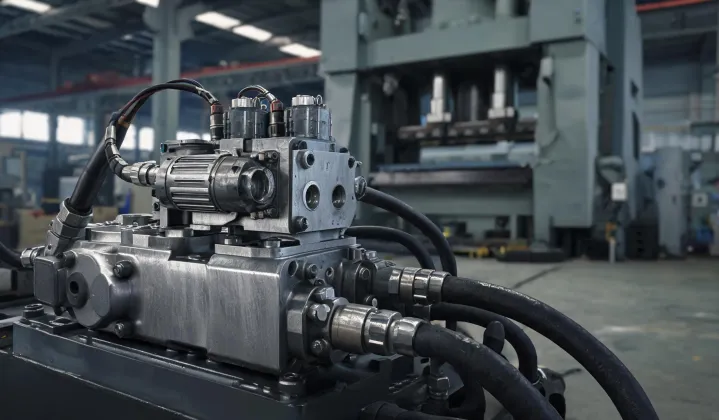
Hydraulic directional control valve manifold with hoses and coils on a press circuit

Line interfaces

Operating context
How does the proposed application affect hydraulic control valve selection? A press that must block cylinder ports when the coil is de-energized is not the same purchase as a process station that must fail closed on loss of instrument air. Write the intended actuator, load direction and whether the valve sits on an ISO manifold or in-line ports. Duty cycle and ambient temperature belong here because coil heating and oil viscosity both move the real flow through the spool.

Line interfaces: Design input

Buyer input should name NG or port size, mounting pattern, spool center, supply and return pressure, tank-port rating, fluid type and viscosity range, filtration, coil voltage, quantity and destination. If a positioner, feedback switch or subplate is required, say whether those items ship as one assembly. Representative production samples are the oil, the actuator and the load description—not a website photo.

Supplier answer

The factory should restate spool type, port ratings, flow limits at the stated viscosity, coil code, mounting interface and the de-energized flow paths. Ask how switching will be demonstrated with the intended actuator. A single maximum flow number cannot replace that circuit review. Compressed air demand is usually irrelevant on a hydraulic manifold; instrument-air notes belong on a pneumatic actuator RFQ instead.

Attach circuit documents before ranking hydraulic control valve quotes

Discuss Your Requirements